




























































































































There is a quiet revolution happening in interior design. After a decade of minimalist, “sterile” aesthetics dominated by cool grays and ultra-smooth surfaces, homeowners are looking backward for inspiration. The “Old World” look—characterized by warmth, history, and a touch of rugged imperfection—is making a significant comeback in 2026.
Today’s technology allows us to enjoy the weathered charm of a centuries-old European manor with the structural stability of modern engineering. If you are planning a renovation, here are six “Old World” styles of hardwood flooring for homes that are trending once again.
1. The Resurgence of Deep, Dark Tones
The era of bleached, ashy wood is being replaced by the “Equity Anchor” of deep walnuts, rich mahoganies, and espresso-stained oaks. These dark tones bring a sense of gravity and luxury to a room that light colors simply cannot match. In 2026, designers are pairing these moody floors with soft neutrals and warm metals like brass and bronze. Dark wood provides a high-contrast foundation that makes furniture pop, evoking the feel of a classic 19th-century library or a formal parlor.
2. Hand-Scraped Textures
In the “Old World,” planks weren’t perfectly leveled by industrial sanders; they were smoothed by hand with drawknives and planes. This left subtle, organic undulations in the wood. Modern hand-scraped hardwood mimics this authentic craftsmanship. Not only does this texture add visual depth, but it is also incredibly practical for busy households. Because the surface is intentionally uneven, minor scratches from pets or everyday foot traffic blend seamlessly into the floor’s character rather than standing out as damage.
3. Reclaimed Wood Authenticity
Sustainability meets history in the reclaimed wood trend. Sourcing timber from old barns, factories, and historic structures is more than just an eco-friendly choice; it’s an aesthetic one. Reclaimed planks often feature original nail holes, mineral streaks, and a patina that can only be earned over a century of exposure. Homeowners are increasingly prioritizing materials with a “story,” choosing wood that carries the physical marks of its previous life into its new role as a family floor.
4. Extra-Wide and Long Planks
Historically, floors were made from the largest trees available, resulting in massive, wide planks. For a few decades, narrow 2-inch strips became the standard, but in 2026, we are seeing a return to “Grand Scale” flooring. Planks that are 7 to 10 inches wide—or even wider—are dominating the market. Wide planks reduce the number of seams in a room, creating a cohesive, expansive look that highlights the natural grain pattern of the wood. This style makes even modern homes feel grounded and well-established.
5. Smoked and Fumed Oak
Fuming is a traditional technique that dates back to the Arts and Crafts movement. Instead of sitting a stain on top of the wood, the planks are exposed to ammonia gas in a sealed chamber. This reacts with the natural tannins in the oak, darkening the wood from the inside out. The result is a rich, layered color with incredible variation from board to board. Smoked floors have a soft, “lived-in” quality that looks far more natural than a standard tinted finish, perfectly capturing the aged aesthetic of an antique European estate.
6. Low-Sheen Matte Finishes
The “bowling alley” high-gloss floors of the late 20th century are officially a thing of the past. Today’s Old World comeback relies on ultra-matte or oil-rubbed finishes. These low-sheen options allow the raw, organic beauty of the grain to take center stage without the distraction of a plastic-looking glare. Matte finishes are also the “problem-solver” of the flooring world; they are far better at hiding dust, footprints, and pet hair, ensuring your floors look pristine even between cleanings.
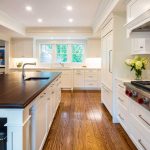
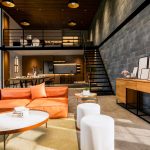
The beauty of these returning styles is their versatility. While they draw inspiration from the past, they aren’t limited to traditional homes. An extra-wide, dark-stained plank can ground a minimalist loft, while hand-scraped textures can add warmth to a contemporary farmhouse.
By choosing a floor with character and history, you aren’t just following a trend; you are investing in a look that is “trend-proof.” These styles have survived for centuries precisely because they embrace the natural aging process of wood. Instead of fighting against wear and tear, Old World hardwood incorporates it, becoming more beautiful and storied with every passing decade.