












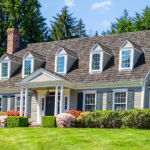


































































Looking after the exterior of a property is about more than kerb appeal. From window frames and doors to cladding and metal fixtures, external surfaces take the brunt of Britain’s weather. Rain, UV exposure, pollution and temperature changes can all shorten the lifespan of materials if they are not properly protected. With the right approach, however, homeowners and property managers can significantly reduce maintenance costs while keeping buildings looking their best.
One increasingly popular approach is colour coating, which combines protection and aesthetics in a single process. Rather than repeatedly repainting or replacing tired surfaces, a specialist coating can refresh appearance and add a durable barrier against the elements. Understanding how surface protection works and when it makes sense to invest can help you make informed decisions for your property.
Why exterior surfaces degrade
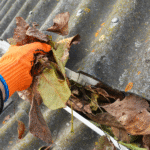
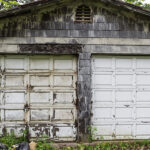
Most exterior materials are designed to be tough, but none are immune to long-term exposure. UV rays gradually fade pigments and break down finishes. Moisture can seep into tiny cracks, leading to corrosion in metals or swelling and rot in timber. Airborne pollutants and salt (particularly in coastal areas) accelerate this deterioration.
As surfaces age, they become harder to clean and more prone to damage. Peeling paint, discolouration and corrosion are not just cosmetic problems; left untreated, they can compromise performance and insulation, and may even affect property value.
The limits of traditional maintenance
Repainting has long been the default solution for tired exteriors. While it can be effective in the short term, it often needs to be repeated every few years, especially in harsh conditions. Preparation is labour-intensive, weather-dependent, and results can vary depending on application quality.
Replacement is another option, but it is usually the most expensive and disruptive route. Removing and installing new frames, panels or fixtures can create waste, require scaffolding, and take rooms out of use during the work.
For many property owners, the challenge is finding a balance between durability, cost and minimal disruption.
Modern protective coatings explained
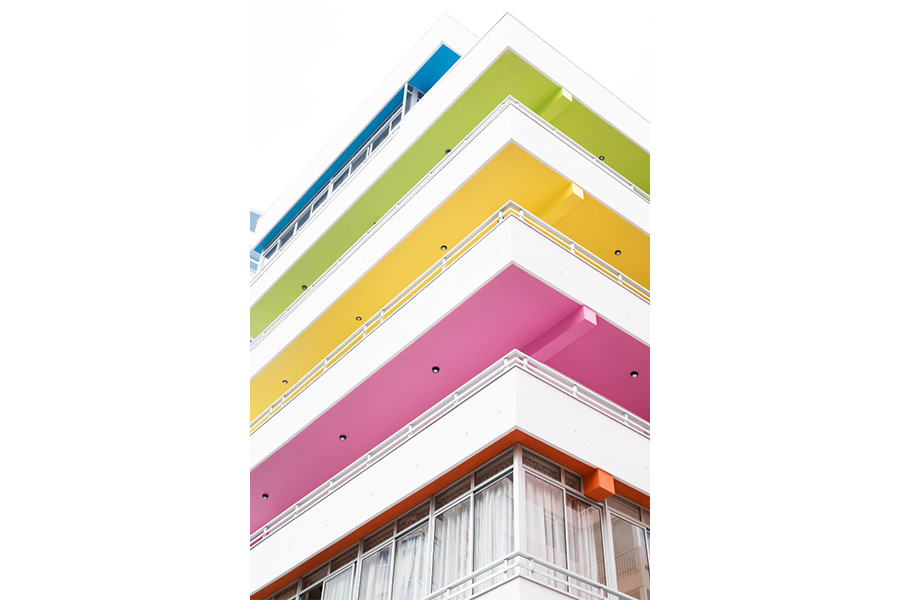
Advanced surface coatings are designed to bond to existing materials, sealing them against moisture and environmental damage. They are formulated to resist UV fading, cracking and peeling, and are available in a wide range of colours and finishes.
A key advantage is longevity. When correctly applied, these coatings can last for many years without the need for frequent touch-ups. Because they are applied over existing surfaces, they can often be completed quickly, with minimal mess and downtime.
When is a coating the right choice?
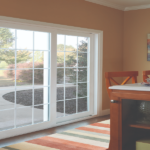
Protective coatings are particularly suitable when the underlying material is still structurally sound but cosmetically tired. Common examples include aluminium window frames, uPVC, steel doors and architectural metalwork.
Before committing, it is important to assess the condition of the surface. Deep corrosion, rot or structural damage should be addressed first. A professional assessment can determine whether preparation and coating will deliver the desired results or whether more extensive repairs are required.
Environmental and cost considerations
From an environmental perspective, extending the life of existing materials is often preferable to replacement. Fewer materials end up in landfill, and the energy and resources required to manufacture new components are avoided.
Cost-wise, while specialist coatings may have a higher upfront price than a simple repaint, their durability can make them more economical over time. Reduced maintenance cycles, fewer call-outs and a longer-lasting finish all contribute to better value in the long term.
Getting the best outcome
As with any exterior work, results depend heavily on preparation and application. Surfaces must be thoroughly cleaned, repaired where necessary, and coated under the right conditions. Choosing experienced professionals who use proven products is essential.
It is also worth considering colour choice carefully. Neutral tones tend to age well and appeal to a wide audience, while darker colours may show dust and fading more readily in sunny areas. A quality finish should enhance the building’s character while providing robust protection.
A smarter approach to exterior care
Protecting exterior surfaces is an investment in the longevity and appearance of a property. By understanding the causes of deterioration and the options available, homeowners and property managers can move beyond short-term fixes and adopt solutions that deliver lasting benefits.
Whether the goal is to refresh a tired façade, reduce ongoing maintenance, or improve resistance to the elements, modern coating solutions offer a practical, sustainable alternative to constant repainting or costly replacement. With careful planning and the right expertise, it is possible to keep exteriors looking sharp and performing well for years to come.