



























































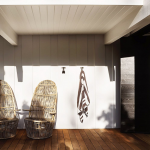






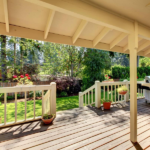



























The longevity, aesthetics, and overall performance of outdoor structures like pergolas, gazebos, carports, or even decks with overhead covers are greatly influenced by the materials used. Engineered wood, especially engineered wood rafters, is one material that has become increasingly popular over time. These rafters are a great choice for outdoor building projects since they have many advantages over conventional solid-sawn lumber.
Increased power and load-bearing capability
The greater strength-to-weight ratio of engineered wood rafters over conventional solid-sawn lumber is one of the main advantages of employing them in outdoor constructions. A more uniform and consistent product is produced by aligning wood fibers and eliminating natural flaws like knots and splits throughout the production process.
Better load-bearing capabilities
Depending on their location, outdoor constructions must be able to endure a variety of factors, such as wind, snow loads, and even seismic activity. Because of its engineered construction, engineered wood rafters offer improved load-bearing capacities.
Dimensional stability and warping resistance
Excellent dimensional stability is provided by engineered wood rafters because
Manufacturing process: Moisture-resistant adhesives are used to join the layers or strands.
Moisture control: To lower the moisture level of many products, they are kiln-dried prior to manufacture.
Balanced construction: Tendencies for movement in various directions are countered by the cross-laminated or layered construction.
Because of this stability, engineered rafters retain their size and form far better after installation than regular lumber, which lowers maintenance requirements and increases the longevity of your outdoor construction.
An eco-friendly choice
When choosing building materials, sustainability is becoming more and more crucial. For a number of reasons, engineered wood rafters are frequently seen as an eco-friendly substitute.
Efficient use of resources: By using wood fibers that may otherwise be thrown away, engineered wood maximizes production while utilizing smaller trees or fast-growing species.
Decreased deforestation: They lessen the strain on old-growth forests because they can be made from secondary wood products or sustainably managed forests.
Reduced carbon footprint: As trees grow, wood products typically store carbon dioxide. When employed in building, engineered items keep this carbon for a long time.
Less waste: Compared to cutting large solid hardwood beams, the precision manufacturing method minimizes waste on the project site.
Selecting engineering wood promotes greener building methods for homeowners or environmentally aware contractors constructing outdoor structures.
Handling and installation ease
For a number of reasons, working with engineered wood rafters can be simpler than solid-sawn lumber:
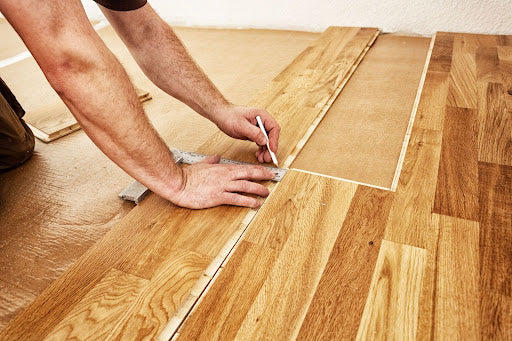
Strong but lightweight: Generally speaking, engineered rafters are lighter than equivalent solid wood beams. They are therefore simpler to manage on-site.
Simplified connections: Pre-cut holes or notches for mechanical fasteners, such as screws and nails, are frequently found in engineered items. Uniform measurements minimize the necessity for on-the-job cutting or modifications.
Pre-fabrication potential: Many outdoor structures can be partially pre-fabricated off-site, reducing labor time during installation, due to their standardized sizes.
Faster building timeframes are a result of these characteristics, which can reduce project costs overall.
Engineered wood is a great material option for outdoor constructions because of its many advantages. From straightforward backyard pergolas to intricate covered patios or carports, their exceptional strength, dimensional stability, environmental advantages, ease of installation, design flexibility, resistance to decay, and long-term cost efficiency combine to create a dependable solution.